Chronic kidney disease (CKD), a condition characterized by persistent abnormalities in the structure and function of the kidney, can be attributed to a range of different factors. Over the past decade, CKD has become a significant cause of morbidity and mortality worldwide, with a cumulative mortality rate reaching 20.6%. Cognitive problems in individuals with CKD […]
Author: Molly
Degree of Doctor of Naturopathy

Malignant glioma (MG) is a brain tumor that carries a grim outlook for patients, as the disease is characterized by the unavoidable recurrence of the tumor despite the application of different therapeutic interventions. The discovery of better treatments is essential, and the need for this is critical. On a positive side, Fucoidan, a sulfated polysaccharide […]

There is a substantial correlation between a high-salt diet (HSD) and several medical conditions, such as hypertension, chronic kidney disease, and autoimmune disorders, which are all significantly impacted. However, the mechanisms underlying HSD-induced inflammation and exacerbation of these diseases have not been fully elucidated. This blog will discuss the study, “L-fucose and fucoidan alleviate high-salt […]
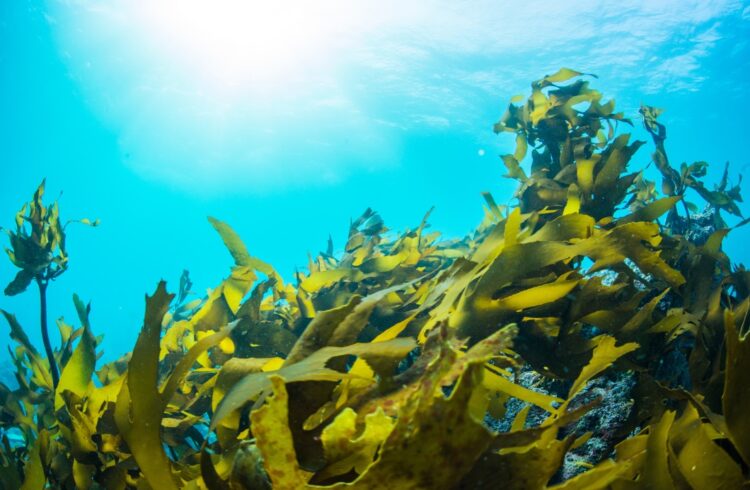
Mitochondria are considered the cellular energy source. In dopaminergic neurons of Parkinson’s disease (PD), mitochondria are the organelles most susceptible to damage. Despite the importance of protecting neuromitochondrial function in PD patients, the detailed mechanisms of mitochondrial dysfunction during the pathogenesis and pathophysiological progression of PD remain unclear. In this blog, I would like to […]

Oral cancer, which accounts for the majority of head and neck malignancies, also presents a significant disease burden to those affected. Chemotherapy and radiation therapy, while helpful treatments for oral cancer alongside surgery, come with the potential for serious side effects. Alternatively, fucoidan has been found to have various beneficial effects, such as reducing inflammation, […]
Radioactive iodine (RI) can damage the cells within the salivary glands (SGs), preventing them from working properly. This blog post presents the research of Young-Mo Kime et al., titled “Fucoidan attenuates radioiodine-induced salivary gland dysfunction in mice,” which investigates fucoidan’s potential to mitigate RI-induced salivary gland issues in mice. Alternatively, fucoidan, which is a sulfated […]
Fucoidan, a sulfated polysaccharide extracted from brown algae (Fucus vesiculosus), demonstrates diverse immunomodulatory effects, such as antiviral and antitumor activities. However, the effects of fucoidan in vivo, particularly its adjuvant effect on antitumor immune responses, have not been fully investigated. This blog post discusses a study by Jun-O Jin and colleagues, titled “Fucoidan Can Function […]
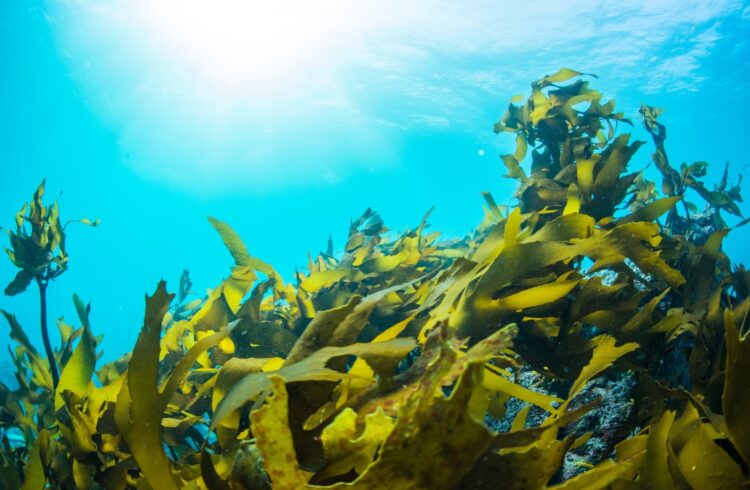
Fucoidan displays diverse biological functions, including antiviral, antitumor, and antioxidant qualities, according to studies. This blog post is dedicated to introducing the study “EFFECT OF FUCOIDAN ON B16 MURINE MELANOMA CELL MELANIN FORMATION AND APOPTOSIS,” authored by Zhi-Jiang Wang et al. The study investigated how fucoidan, extracted from Fucus vesiculosus, influences melanin production in melanoma […]
The spread of malignant tumors, known as metastasis, is a significant aspect of these tumors and is the primary reason why most cancer patients die. A crucial initial phase in the spread of cancerous tumors is metastasis through lymphatic vessels, which also serves as a predictor of patient outcome. Fucoidan, a naturally occurring sulfated polysaccharide, […]
Sea Cucumber Cucumaria Frondosa Fucoidan Inhibits Osteosarcoma By Regulating Cytoskeleton Remodeling
In children and adolescents around the world, the most common primary malignant bone cancer is osteosarcoma (OS), and a combination of surgery and multiagent chemotherapy has led to a significant improvement in the 5-year cumulative survival rate of primary OS. Despite treatment, roughly 80% of OS patients see pulmonary metastases develop, and this is the […]